Protests Over Iran’s Supreme Leader’s Killing Turn Violent in Pakistan
00:00
00:00
01:31
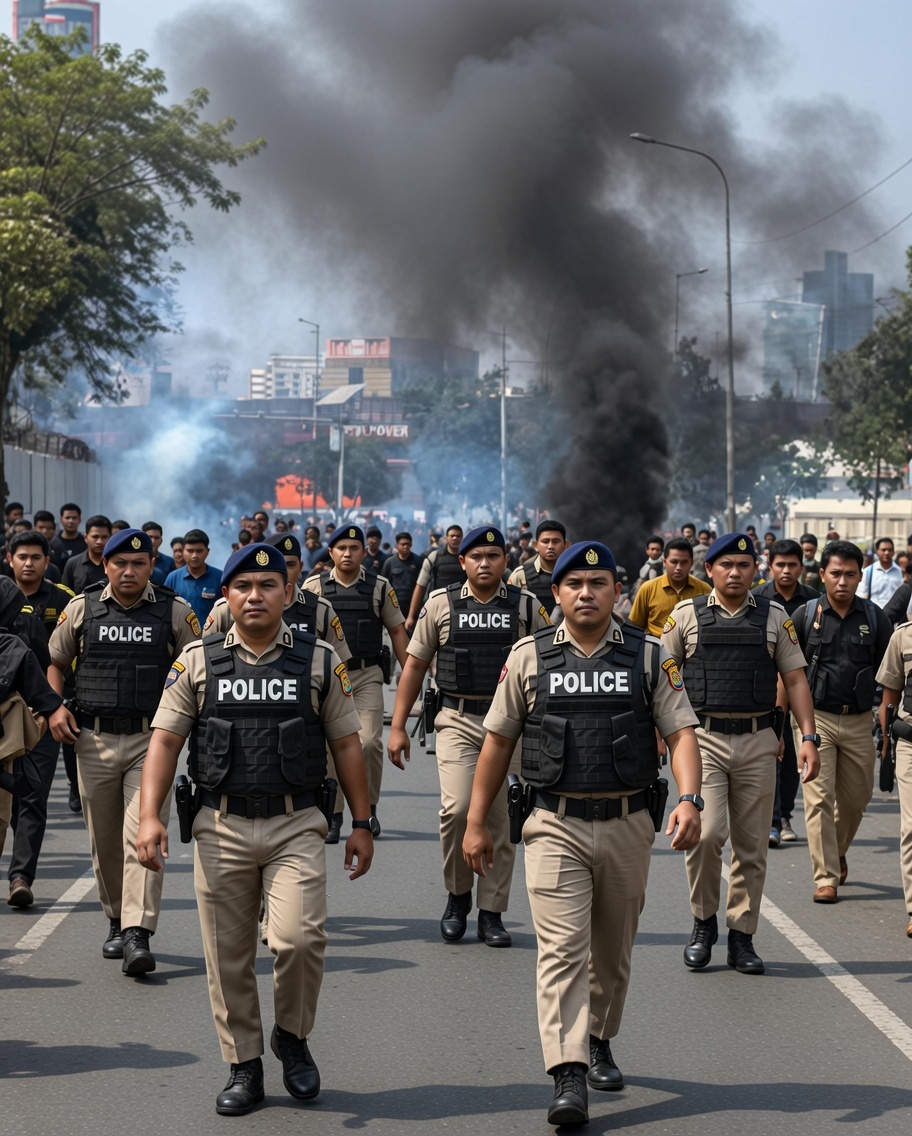
Hundreds of enraged demonstrators filled the streets outside the United States Consulate General in Karachi in Karachi over the weekend, clashing violently with Pakistani police and security forces in the wake of the reported killing of Ayatollah Ali Khamenei—a towering figure in regional politics and the long-time spiritual leader of Iran.
Authorities say the unrest, which began as a political demonstration, quickly spiraled into chaos and left scores dead and many more injured amid an atmosphere of grief, outrage, and escalating tensions.
The drama unfolded after confirmation that Khamenei had been killed in a joint and attack on Iranian territory—a strike that immediately sent shockwaves through the Middle East and beyond.
Pakistan, home to one of the largest Shiite Muslim populations outside Iran, saw anger transform into large, impassioned gatherings within hours, with demonstrators chanting slogans, waving portraits of Khamenei, and venting fury at the United States and its allies.
In Karachi, what began as a protest march by hundreds of pro-Iranian demonstrators soon turned violent when the crowd attempted to breach the outer security perimeter of the U.S.
consulate building.
According to local officials, protesters smashed part of the security fence and tried to force their way toward the consulate gates, prompting a heavy response from security personnel tasked with defending the facility.
Clashes intensified rapidly.
Police and paramilitary units deployed tear gas and batons in attempts to disperse the crowd, but the situation deteriorated as protesters hurled stones, set fire to vehicles near the consulate, and engaged in pitched confrontations with law enforcement.
The provincial government in Sindh later registered multiple cases under terrorism and rioting laws, reflecting the seriousness of the unrest sparked by the demonstration.
By the end of the daylong confrontation, hospital officials in Karachi reported that at least ten people had died from gunshot wounds and more than 60 others were wounded, many critically, in and around the consulate’s perimeter.
Authorities noted that some casualties appeared to result from return fire by security forces, including tear gas, firearms, and other crowd control measures, though investigations were ongoing to determine exact causes of death.
The violence in Karachi was far from isolated.
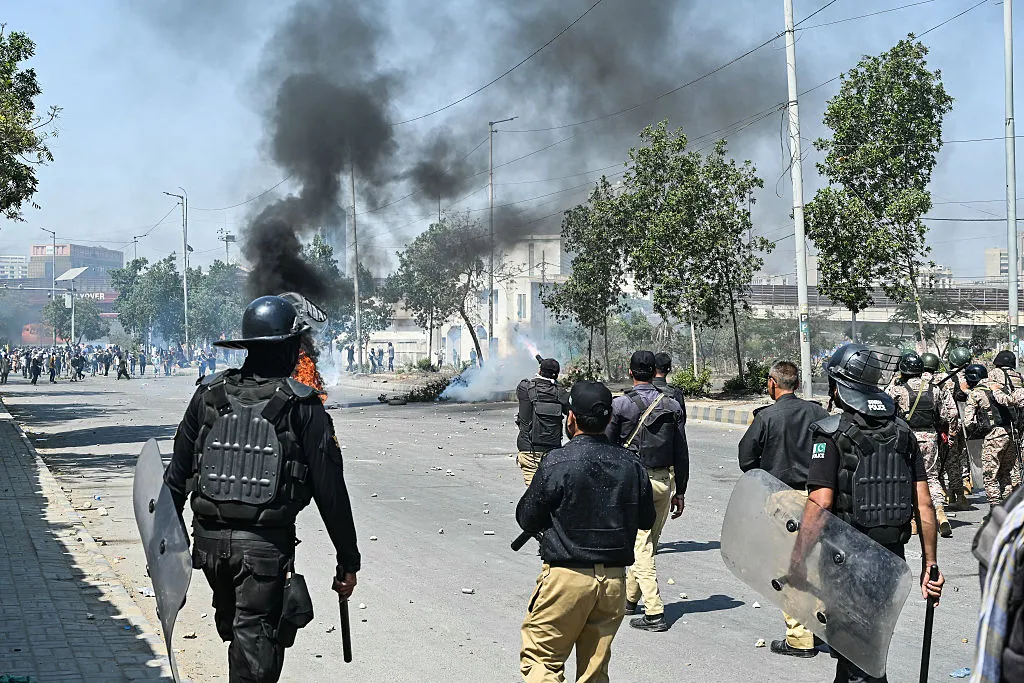
Across Pakistan, protests erupted in multiple cities, including Islamabad and Peshawar, where demonstrators attempted to march toward diplomatic missions or staged rallies condemning the killing of Khamenei.
Authorities responded to these gatherings by imposing restrictions on public assembly and, in some areas, deploying additional security forces to prevent further escalation.
In the northern Gilgit-Baltistan region, clashes between protesters and security forces also resulted in multiple deaths and widespread property damage, including the burning of a United Nations office, according to local reports.
In response to the unrest, the Pakistani government declared curfews in several volatile districts and called in military units to support civilian law enforcement efforts.
The U.S.diplomatic mission itself felt the effects of the unrest.
As violent scenes unfolded outside its walls, officials temporarily suspended visa services and other consular operations in Karachi and other Pakistani cities, citing security concerns.
The U.S.
Embassy in Pakistan in Islamabad issued advisories urging American citizens in the country to avoid demonstrations and unsafe areas while warning that consulate staff movements were being restricted as a precaution.
One of the most striking aspects of the clashes was the level of force used by security personnel.
Reports indicate that U.S.
Marine Security Guards at the consulate were involved in defensive actions after the compound’s outer wall was breached.

While it remains unclear exactly whose rounds struck the fatal victims, U.S. officials acknowledged that Marines opened fire on protesters in defense of the mission—an unusually visible escalation that underscores the volatility of the situation and the high stakes involved in protecting diplomatic staff amid widespread civil unrest.
The deadly confrontations and widespread protests have drawn international attention and criticism.
Human rights groups have condemned the heavy-handed treatment of demonstrators in some areas, and calls for independent investigations are growing amid reports of excessive use of force by law enforcement and security services.
As crowds continued to swell on subsequent days, the Pakistani government attempted to balance public anger with efforts to maintain order.
Officials appealed for calm and reiterated that citizens have the right to peaceful protest, even as they warned that unlawful behavior would not be tolerated.
Leaders emphasized diplomatic channels and peaceful expressions of grievance rather than violent confrontation.
The events around the U.S. consulate in Karachi reflect broader geopolitical tensions unleashed by the reported killing of Iran’s supreme leader—a moment that has reshaped regional dynamics and fueled passionate public responses well beyond national borders.
In Pakistan, these tensions have manifested not just in chants and slogans, but in brazen attempts to storm foreign diplomatic facilities and deadly confrontations that have cost lives and left communities on edge.
In the coming days, Pakistani authorities say they will conduct impartial investigations into the clashes, examine security failures, and pursue legal accountability for those involved in violence and rioting.
Whether these efforts will ease tensions or further inflame public sentiment remains uncertain as the aftermath of Khamenei’s death continues to reverberate across the region.
Note: Fatality and injury figures vary by source, and investigations into the full impact of the protests are ongoing.