The silence in my apartment was deafening, punctuated only by the distant hum of city traffic. My girlfriend, Sarah, had barely spoken to me since the attempted break-in, her anger a palpable wall between us. I stood by my conviction – I had every right to defend my home and my immobile mother. Her suburban upbringing, I figured, simply meant she couldn’t grasp the stark realities of my world.
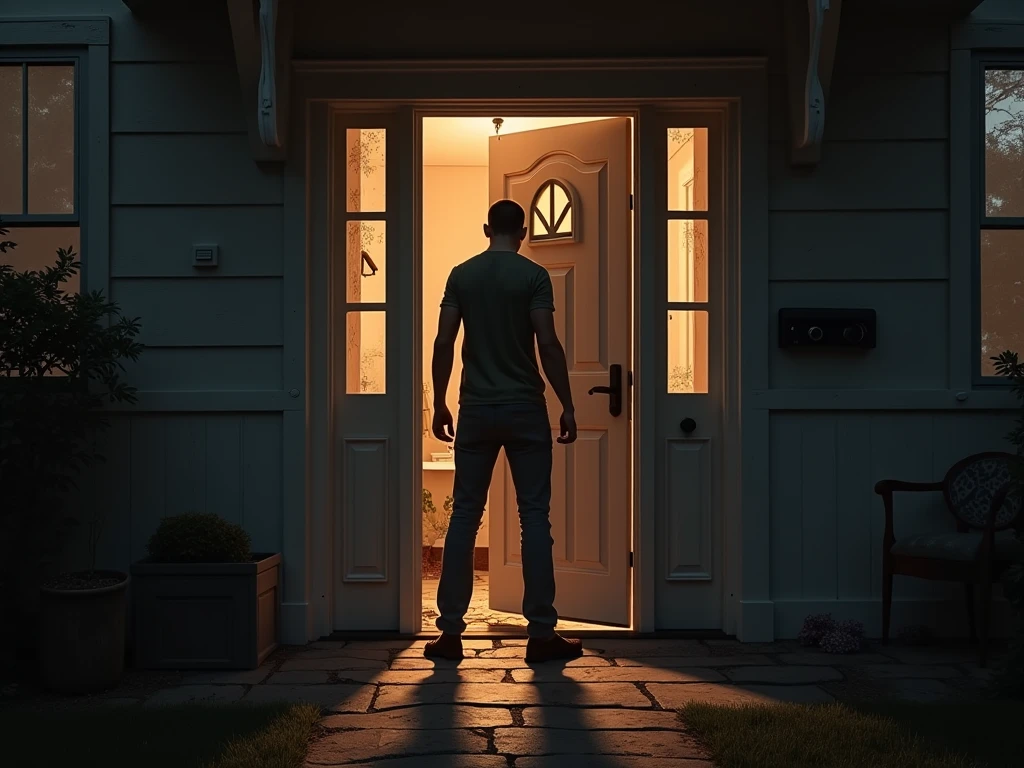
A week later, Sarah finally agreed to talk, her face still drawn with unresolved tension. “I need you to understand,” she started, her voice tight, “that I wasn’t just screaming about violence. It was more than that.”
I braced myself for another lecture on pacifism. “Then what was it, Sarah?”
She took a deep breath, her gaze distant, as if reliving a painful memory. “When I was 19, a few months after I moved out for college, my younger sister, Emily, was still living at home. One night, a guy from her high school, a really unstable kid who she’d dated briefly and broken up with, came over. He was drunk, furious. He started pounding on our back door, screaming her name, threatening to break in. My dad, who’s always been a calm, measured man, heard the commotion. He went to the door, and just like you, he grabbed his hunting rifle. He yelled at the guy to leave, but the guy just kept screaming, getting more agitated.”
My heart hammered against my ribs. This wasn’t the suburban narrative I’d imagined.
“My dad,” she continued, her voice trembling, “he warned him, just like you did. He counted to three. And at ‘three,’ the guy didn’t run. He lunged at the door, yelling that he was going to kill Emily. My dad… he fired.”
I felt a cold dread creep over me. “He shot him?”
Sarah nodded, a single tear tracing a path down her cheek. “He didn’t kill him. The bullet hit him in the shoulder, non-fatal. But the aftermath… the police, the investigation, the court case. The kid survived, but he spent months in physical therapy and then jail. And even though it was self-defense, even though my dad was cleared of any wrongdoing, it destroyed him. He became a shell of himself. He couldn’t sleep, he had nightmares, he blamed himself, even for doing what he had to do. Our family was torn apart by the stress, the public scrutiny, the constant reminders of what happened. Emily had to drop out of school because of the harassment and moved across the country to get away from it all.”
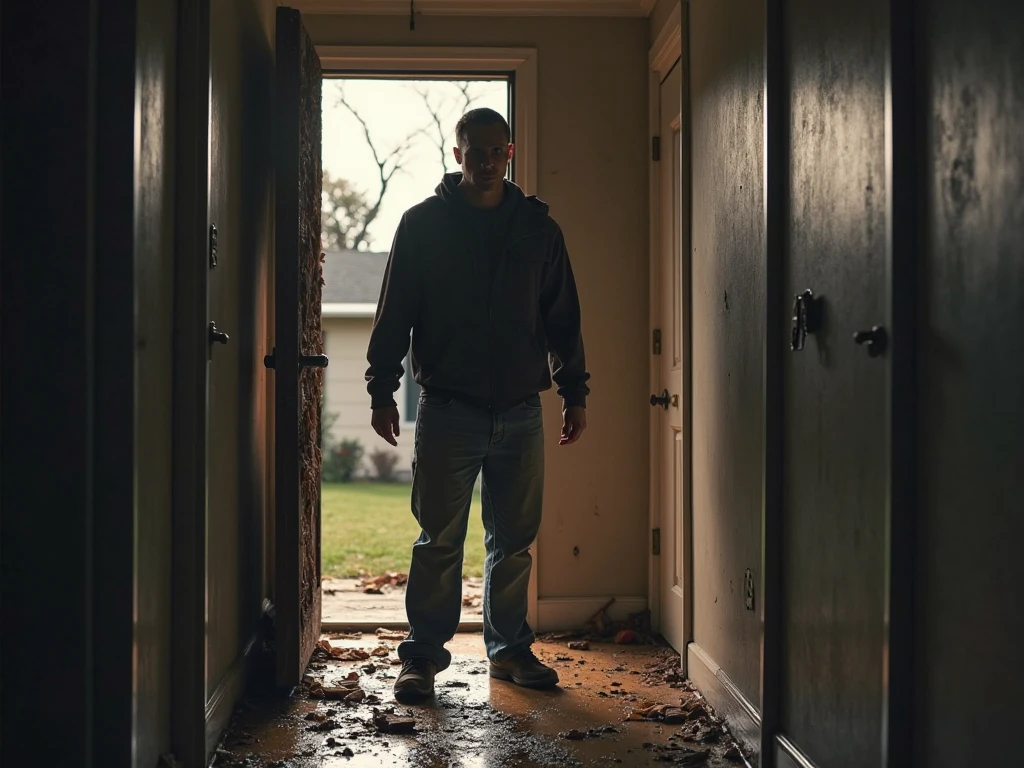
She looked at me, her eyes brimming. “When I saw you, gun in hand, counting… all I could see was my dad. All I could hear was the shot. It wasn’t about violence being inherently wrong. It was about the unforeseen, devastating fallout that can ripple through lives, even when you’re justified. It wasn’t that I didn’t think you had the right to defend us, Mark. It’s that I know, firsthand, the cost of exercising that right, even when you win. I was screaming because I was terrified of what that moment could have done to you, to us, and to our future, even if it meant saving our lives.”
The easy narrative of her naive suburban upbringing crumbled, replaced by a shared trauma I had never known. Her fear wasn’t about the act of self-defense, but the silent, unseen wreckage left in its wake.