The lights at the cultural center stayed on long after sunset.
That was the first thing Special Agent Elena Marrow noticed.
Every night at exactly 9:45 p.m., long after homework help and language classes were supposed to end, the building on the corner of Cedar and 14th still glowed. Not brightly. Just enough. A quiet, deliberate half-light that suggested someone was still inside — and didn’t want attention.
Parents trusted the place.
That was why no one asked questions.
1
Marrow had spent most of her career chasing fentanyl supply chains. She knew the routes. Border crossings. Shell companies. Ghost trucking firms.
But this case didn’t start with drugs.
It started with a missing kid.
Sixteen-year-old. Refugee family. Clean record. Last seen leaving an after-school program that everyone described the same way:
“Safe.”
“Structured.”
“Good for the kids.”
When Marrow asked why no one had reported him missing sooner, the answer chilled her.
“They thought he was still there.”
2
The Cedar Cultural Center didn’t look like a threat.
Posters about heritage nights.
A donation box for winter coats.
A schedule filled with tutoring sessions and soccer sign-ups.
DEA intelligence flagged it only after three unrelated fentanyl arrests — all minors — mentioned the same place.
Not as a hangout.
As a starting point.
That was the first twist.
3
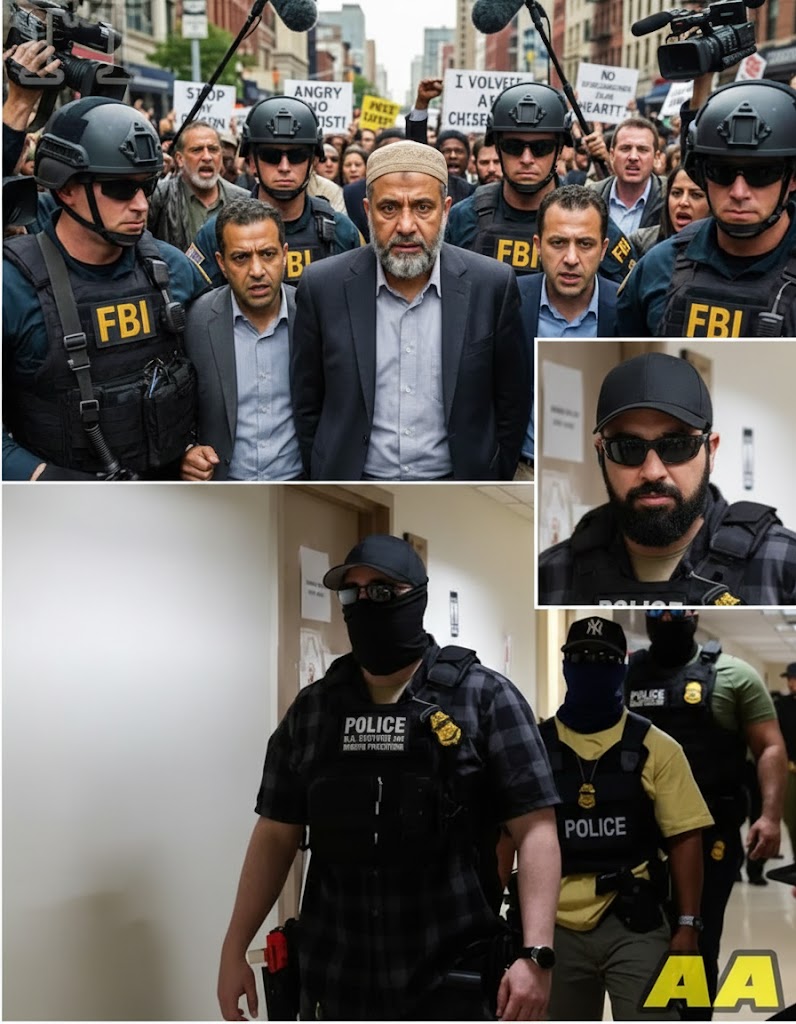
The raids weren’t loud.
They never are when kids are involved.
Agents entered quietly. No weapons drawn. Social workers standing by. Interpreters ready.
Inside, they found classrooms.
And something else.
A locked storage room behind the gym.
Inside: packaging materials. Scales. Burner phones. Not drugs — not yet.
This wasn’t a distribution hub.
It was a training ground.
4
Marrow sat with a boy named Hassan.
Fourteen.
He wouldn’t make eye contact.
When she asked about the center, he shrugged.
“They help us,” he said. “They teach us things.”
“What kind of things?” she asked gently.
Hassan hesitated.
“How to be useful.”
5
The second twist came from money.
Donations to the center were legitimate. Small amounts. Community fundraisers. Grants.
But layered beneath them were transfers that didn’t belong.
Cash pooled from street-level fentanyl sales in three cities. Cleaned through “youth programs.” Recycled as stipends, travel expenses, and “outreach costs.”
Minors didn’t get paid in cash.
They got rides.
Phones.
Protection.
And silence.
6
The network wasn’t run by teenagers.
That was the lie outsiders assumed.
Adults ran it — carefully.
Respected figures. Mentors. Volunteers.
People parents trusted enough to leave their kids with after school.
That was the most devastating part.
7
The third twist nearly shut the case down.
Civil rights groups pushed back hard.
Politicians hesitated.
Media coverage turned volatile.
Marrow understood why.
This wasn’t about a community.
It was about predators hiding inside one.
But the nuance didn’t survive headlines.
Pressure came down to stop the raids.
Marrow refused.
8
Then the DEA found the ledger.
Not names.
Schedules.
Pickup times.
Transit routes.
Age brackets.
The youngest entry?
12.
Marrow closed the file and walked out of the room.
She didn’t cry.
She got angry.
9
Interviews revealed the method.
First: belonging.
Then: responsibility.
Then: secrecy.
Teenagers were never told they were selling fentanyl.
They were told they were “delivering packages.”
Helping elders.
Supporting the community.
Only later did the truth surface.
By then, fear had replaced trust.
10
The missing boy?
They found him alive.
Three states away.
He’d panicked. Tried to quit. Ran.
Someone had let him go.
That detail didn’t sit right.
Networks like this didn’t let assets walk away.
Unless…
11
The fourth twist came from the phones.
Encrypted messages recovered from an organizer’s device didn’t discuss drugs.
They discussed replacement.
“Rotation complete.”
“New intake approved.”
“Center B ready.”
There were other centers.
Different names.
Same structure.
Same playbook.
12
As raids expanded, families began to speak.
Parents who thought their kids were safe.
Kids who thought they were doing good.
The emotional fallout hit harder than any seizure.
Communities fractured. Trust evaporated.
And yet — the drugs kept moving.
Which meant something crucial was missing.
13
Marrow followed the supply.
It bypassed the centers entirely.
The youth programs were never the backbone.
They were insulation.
Human shields.
If caught, outrage would stall enforcement.
If exposed, sympathy would slow prosecution.
It was calculated.
And it was working.
14
The fifth twist hit Marrow personally.
Her name appeared in internal chatter.
“They’re emotional,” one message read.
“Pressure them and they retreat.”
They had studied federal behavior.
Counted on hesitation.
Weaponized compassion.
15
The final raid shut down six centers.
Dozens of adults arrested.
Hundreds of kids diverted into protection programs.
Officials declared a major blow to fentanyl recruitment.
Marrow stood at the press conference and said nothing.
Because one message still haunted her.
Recovered minutes before servers were wiped.
“Youth programs compromised. Shift to Phase Two.”
No explanation.
No location.
Just a timestamp.
Ending — Open
The lights at Cedar finally went dark.
The building stood empty.
Posters peeling.
Silence where laughter once lived.
But somewhere else, another place just like it was opening its doors.
Different name.
Same promise.
And Elena Marrow knew the truth no one wanted to admit yet:
They hadn’t stopped the recruitment.
They’d only forced it to adapt.