PART I — THE HOUR BEFORE DAWN
At 4:41 a.m., Minneapolis held its breath.
Snow dusted the sidewalks like a cover story — thin, clean, deceptive. The city looked calm from above, but below, engines idled without headlights, radios crackled in code, and federal agents moved with the kind of precision reserved for operations that couldn’t afford mistakes.
Special Agent Marcus Hale adjusted his earpiece as he stood two blocks from City Hall, staring at a building he’d walked into freely dozens of times before.
Tonight, he needed a warrant.
“Confirm perimeter,” Hale said quietly.
“Perimeter sealed,” came the reply.
“No movement. Target unaware.”
That last part unsettled him.
In Hale’s experience, powerful people always sensed the moment the ground shifted beneath them.
Unless someone had already softened the landing.

PART II — A CASE THAT REFUSED TO STAY SMALL
The investigation hadn’t started with the mayor.
It hadn’t even started with Minneapolis.
Six months earlier, Hale had been assigned to a joint FBI–ICE task force tracking a regional drug corridor running through freight terminals in the Upper Midwest. The product was moving too cleanly. No seizures. No informants flipping. No violence.
Cartels didn’t behave like that.
When Hale followed the money instead of the drugs, he found municipal contractors appearing again and again — construction firms, transport consultants, zoning specialists. Legitimate on paper. Invisible in practice.
One permit stood out.
A city-funded “stormwater infrastructure upgrade” beneath downtown Minneapolis.
The project budget had ballooned three times.
The inspection reports were signed off in minutes.
And the underground schematics… didn’t match reality.
PART III — THE MAN WITH THE KEYS
Mayor Elliot Crane was a reformer.
At least, that’s what the city believed.
He ran on transparency. Clean governance. Community trust. He gave speeches about “bringing light into forgotten systems.”
Hale had met him twice. Crane had a politician’s smile — not warm, not cold, but practiced.
What bothered Hale wasn’t Crane’s public image.
It was his private calendar.
Every major decision tied to the infrastructure project coincided with unexplained meetings — off-books, unstaffed, logged simply as consultations.
When Hale subpoenaed internal city emails, half the thread was missing.
Not deleted.
Never logged.
Someone had built a system that existed parallel to the city’s official one.
And someone at the top had the keys.
PART IV — UNDERGROUND
When the first tunnel was discovered, the room went silent.
It wasn’t a metaphor.
Beneath a municipal building, agents found reinforced concrete corridors wide enough for vehicles. Ventilation systems. Electrical wiring newer than anything above ground. Cameras pointing inward — not out.
This wasn’t smuggling improvisation.
It was civil engineering.
The tunnels connected freight access points, utility hubs, and abandoned transit lines — a private city beneath the public one.
Hale realized the truth too late:
The cartel hadn’t infiltrated the city.
It had integrated with it.
PART V — THE RAID
At 4:41 a.m., federal teams breached multiple locations.
City offices. Contractor warehouses. Financial clearing firms.
And finally — the mayor’s residence.
Inside City Hall, Hale watched as agents carried out boxes of documents, hard drives, sealed ledgers marked with symbols no one recognized at first.
Then the financial analysts spoke.
“Four hundred twenty million,” one of them said quietly.
“That’s the conservative estimate.”
Cash. Crypto. Property. Logistics assets.
A network so large it didn’t just move drugs.
It moved influence.
PART VI — THE FIRST TWIST
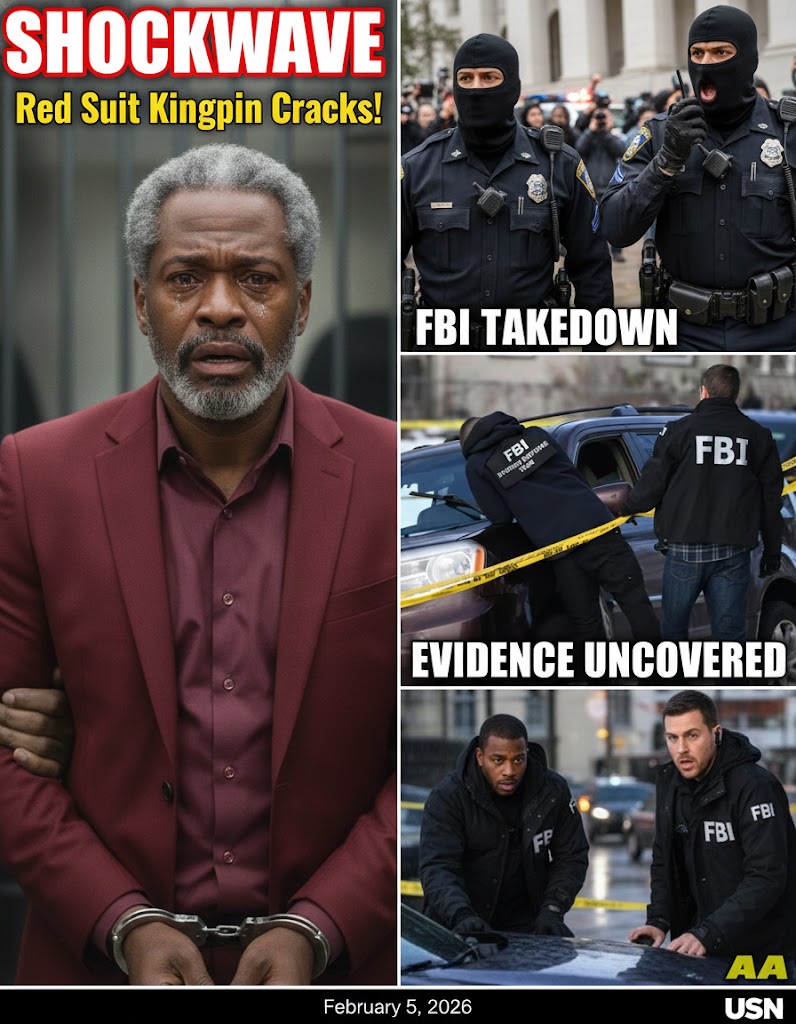
Mayor Crane was calm when arrested.
Too calm.
“I assume this is a misunderstanding,” he said, hands extended.
Hale looked him in the eye. “Then help us understand the tunnels.”
Crane smiled — just slightly.
“You think those belong to me?” he asked.
That night, while Crane sat in custody, new evidence surfaced.
The tunnels predated his term.
By decades.
The permits had been rewritten — not created.
Someone had inherited the system.
And someone else had built it.
PART VII — THE FILE CALLED “CONTINUITY”
Buried deep inside a seized server was a folder labeled CONTINUITY.
It wasn’t financial.
It was procedural.
Emergency succession plans. Alternative chains of authority. Lists of officials across departments marked reliable, neutral, or volatile.
This wasn’t a criminal network preparing to run.
It was one preparing to govern — quietly, efficiently, without elections.
Hale felt the ground tilt.
“This isn’t cartel behavior,” he said.
“No,” his partner replied. “It’s statecraft.”
PART VIII — THE SECOND TWIST
Before Crane could be formally charged, a federal injunction halted the case.
National security review.
Evidence sealed.
Key witnesses reassigned.
And Hale was ordered back to Washington.
Not to testify.
To explain why he had gone this far.
Someone upstairs wanted the case to stop breathing.
And someone else wanted Hale to be the reason.
PART IX — THE MESSAGE
On his last night in Minneapolis, Hale received an untraceable message.
A single line of text:
You only found one entrance.
Attached was a map.
Not of Minneapolis.
Of another city.
With the same tunnels.
The same labels.
The same word stamped across the top:
CONTINUITY
PART X — THE OPEN END
Mayor Crane remained in legal limbo.
The tunnels were sealed.
Publicly, the city moved on.
Privately, Hale knew better.
Systems like this didn’t vanish.
They adapted.
And somewhere beyond Minneapolis, someone was watching to see whether Hale would stop digging — or follow the map.
He packed his bag knowing one thing for certain:
This raid was not an ending.
It was a trigger.